
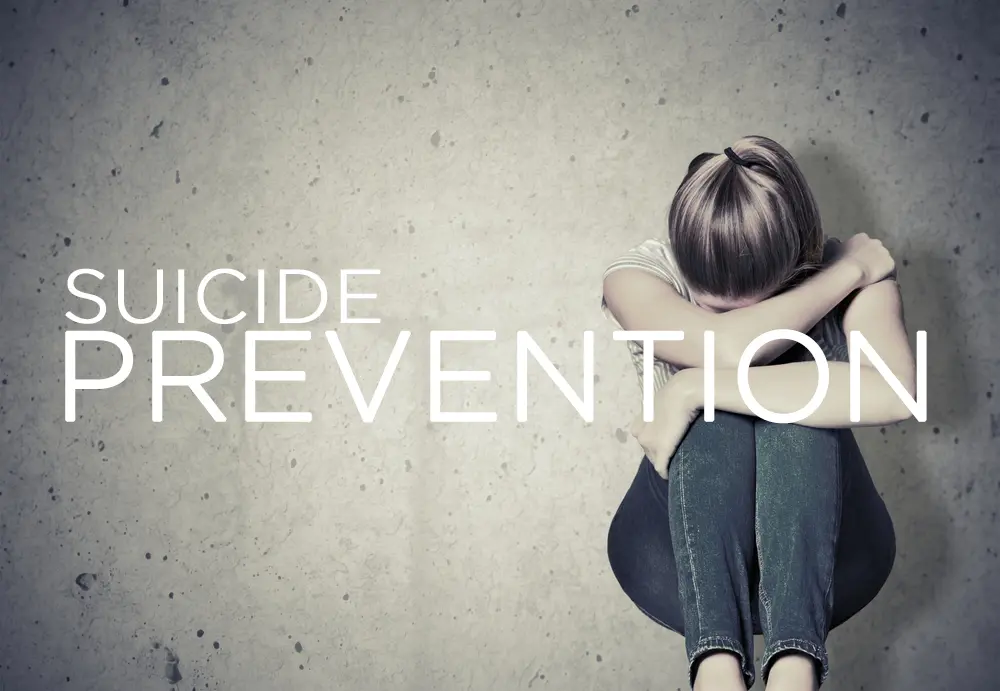
Facts About Suicide
According to the American Foundation for Suicide Prevention, nearly 45,000 people take their lives each year. More facts about suicide are that suicide is the 10th leading cause of death in the United States annually. And the ramifications of suicide are far-reaching, often leaving an aftermath of bewilderment, devastation, and sadness. The most common question surrounding a suicide is, “What happened?” People may believe there was one event or catalyst that influenced a person to commit suicide. This is rarely true. In most cases, the person suffered long-term unmet needs, which may look like undiagnosed or diagnosed depression, anxiety, psychotic disorders or, substance use disorders.
The Risk Factors for Suicide
Suicide and suicidal behavior are not normal responses to stress. Therefore, many people have risk factors for maladaptive behaviors but are not suicidal. Examples of maladaptive behaviors include, not sleeping, sleeping too much, restricting food, eating beyond the point of hunger, or needing drugs or alcohol to cope with a challenge or enhance a celebration. Also, the risk for suicide is associated with changes in brain chemicals called neurotransmitters, including serotonin. Decreased levels of serotonin have been found in people with depressive disorders, personality disorders, compulsive disorders, anxiety disorders, even those struggling with behavioral addiction like screen time, pornography, internet or gaming. History of suicide attempts, addiction (of any kind), the absence of school or work and unresolved grief, loss or trauma all increase the possibility of suicide or suicidal and homicidal behavior.
Suicide Attempts
For every suicide, there are 25 attempts. More than 90 percent of people who die by suicide have made a prior suicide attempt. According to the 2016 National Survey of Drug Use and Mental Health, approximately 1.3 million adults attempted suicide. Furthermore, most have a family history suicide and mental disorder and/or substance abuse. Typically there is exposure to suicidal behavior of others around them, including family members, peers, and even media figures. It is also extremely common to come from a family of violence, including physical or sexual abuse. Firearms are often in the house. Firearms are the method used in more than fifty percent of all suicides.
Gender and Age Suicide Statistics
- Nearly 4 times as many adult males than females commit suicide
- Nearly 5 times as many males as females ages 15 to 19 died by suicide.
- Just under 6 times as many males as females ages 20 to 24 died by suicide
- Firearms, suffocation, and poison are by far the most common methods of suicide, overall. However, males are more likely to use a firearm, whereas females are more likely to use poison.
Suicide and Substance Abuse
Research has shown there is a strong correlation between substance use disorders and suicide. Many drugs are depressants, so it’s difficult to assess if one used drugs to medicate their depression or if the drugs caused the depression. Alcohol alone is linked to more than 25 percent of suicides and 40 percent are committed by those in a mild, moderate or severe substance use disorder.
If You Think Someone is Suicidal
Do not leave someone you believe to be suicidal alone! In addition, try to get him or her to seek immediate help from a doctor or the nearest hospital emergency room, or call 911. Also, eliminate access to firearms or other potential means for suicide, including unsupervised access to medications.
If You are Having Suicidal Thoughts
If you feel suicide is your only way out, there is help. Suicide is permanent. Problems are temporary. Tools for facing and scaling problems exist at D’Amore Healthcare. If you need help right away, please call the National Suicide Prevention Hotline at 1.800.273.TALK, or 1.888.426.6086. Also, If someone needs immediate help, you can call us 24-hours a day at 714.375.1110 or contact us online.