
In crisis? Call or text 988 to reach the 988 Suicide and Crisis Lifeline. If someone's life is in immediate danger, call 911.
Therapists and clients in a supportive group therapy session at D'Amore Mental Health.
man getting emotional with a group of people
Mental Health Treatment

Residential Mental Health Treatment in Orange County, CA

D'Amore Mental Health provides Orange County mental health treatment for adults across a full continuum of care: subacute crisis stabilization, residential treatment, Partial Hospitalization (PHP), and Intensive Outpatient (IOP). Our residential program is an alternative to hospitalization for adults who can be safely and appropriately treated in a subacute residential setting.

We accept complex presentations that many programs decline, including suicidal ideation, psychosis, schizophrenia, and co-occurring disorders, when subacute care is clinically appropriate. We're also in-network with major commercial insurance carriers, so verifying your benefits is usually the first step.

D'Amore diamond mark
Insurance Verification
Find out what your plan covers.
Check your coverage in minutes. Confidential and no obligation.
D'Amore diamond mark

Key Takeaways

01D'Amore offers subacute crisis stabilization, residential treatment, PHP, and IOP, so care can step up or down as your needs change.
02Residential care is an alternative to hospitalization for adults who can be safely treated in a subacute setting.
03We accept suicidal ideation, psychosis, schizophrenia, and dual diagnosis when subacute care is clinically appropriate.
04We're in-network with major commercial carriers, and our admissions team usually follows up on benefits the same day.

Our Mental Health Continuum of Care

Every admission starts with a clinical assessment, and placement is based on medical necessity. Care can step up or down as your needs change, with coordinated continuity of care at each step.

Clinician offering a comforting hand during subacute crisis stabilization

Subacute Crisis Stabilization ↗

Subacute crisis stabilization is short-term, 24/7 supervised care for adults whose symptoms have escalated beyond what outpatient therapy can manage, but who don't need an acute hospital unit. Clinicians focus on safety, psychiatric evaluation, symptom stabilization, and the start of an individualized treatment plan.

Residential mental health treatment patient meeting with a therapist

Residential Treatment (RTC)

Residential treatment gives you a structured, therapeutic home where you live while receiving individualized care and psychiatric oversight. Patients participate in weekly therapy and case management sessions, along with structured daily group programming.

The focus is stabilization, psychotherapy, life-skills development, and medication management, so you're prepared for the next level of care. All lengths of stay are based upon medical necessity.

Group session during D'Amore's Partial Hospitalization Program

Partial Hospitalization Program (PHP) ↗

PHP is a structured day program with intensive therapy and clinical oversight, without an overnight stay. It often follows residential care, and it can also be a starting point for adults who need daily structure but can safely sleep at home.

Adults reconnecting with daily life during intensive outpatient treatment

Intensive Outpatient Program (IOP) ↗

IOP keeps therapy, case management, and medication follow-up in place while you return to home, work, or school. It emphasizes continuity of care, relapse prevention, and reintegration into daily life.

Outpatient Services After Treatment ↗

Outpatient services are delivered through PHP, IOP, and D'Amore Extended Care, a separate outpatient program with its own site. Each patient also receives an individualized First Year Aftercare Plan designed to support continuity of care and long-term stability throughout the first year after discharge.

Which Level of Care Fits Your Situation

The main difference between levels is intensity of support. These are common starting points, not a diagnosis.

Adults with active, high-risk symptoms who are medically stable often start in subacute crisis stabilization or residential care.
Adults recently discharged from an emergency room who still need close short-term monitoring are often a fit for subacute stabilization.
Adults with a heavy symptom burden who can safely sleep at home often start in PHP.
Adults who are working or in school and need more than weekly therapy often start in IOP.
Adults finishing residential care usually step down to PHP or IOP to keep their progress steady.

A clinical assessment, not this list, determines your final level-of-care recommendation.

Complex Cases We Accept

D'Amore accepts adults with complex, high-acuity presentations that many programs decline, as long as subacute residential care is safe and clinically appropriate. That includes suicidal ideation, psychosis, schizophrenia, and co-occurring mental health and substance use disorders.

Our multidisciplinary clinical team provides 24/7 care, psychiatric evaluation, and medication management. Every treatment plan is reviewed with clinical leadership, so supervision stays close and care stays individualized.

Suicide prevention treatment in Orange County

Suicide prevention treatment at D'Amore admits adults with suicidal ideation for subacute stabilization when it's clinically appropriate.

Residential treatment for schizophrenia in Orange County

Residential treatment for schizophrenia combines psychiatric stabilization, medication management, and structured therapy for adults with psychosis or schizophrenia.

Dual diagnosis treatment at D'Amore Mental Health

Dual diagnosis treatment addresses a mental health condition and a co-occurring substance use or behavioral addiction in one coordinated plan, with mental health as the primary focus.

In-Network Care Across the Continuum

D'Amore is in-network with major commercial insurance carriers, so many patients can use their existing plan benefits for treatment. You can see the current carrier list and start a confidential check on our insurance verification page.

Conditions We Treat

We treat adults whose mental health symptoms need more structure than weekly therapy can offer. Common primary concerns include:

Depression treatment in Orange County
Depression, including treatment-resistant depression
Anxiety and panic disorder treatment
Anxiety and panic disorders
Bipolar disorder treatment
Bipolar disorder
Schizophrenia and psychotic disorder treatment
Schizophrenia and other psychotic disorders
Obsessive-compulsive disorder treatment
Obsessive-compulsive disorder (OCD)
Co-occurring disorder treatment
Co-occurring mental health and substance use disorders
Trauma and post-traumatic stress disorder (PTSD)
Personality disorders
Postpartum depression
Suicidal ideation

If you're not sure which description fits, our clinical team assesses each person individually and recommends the right starting point.

Therapies and Psychiatric Care

Our comprehensive mental health treatment program combines psychiatric evaluation, ongoing psychiatric follow-up, and medication management with evidence-based therapies, experiential services, and holistic approaches that support emotional, physical, and overall well-being throughout the recovery process.

Cognitive Behavioral Therapy (CBT) helps you spot and change the thought and behavior patterns that keep symptoms going.
Dialectical Behavior Therapy (DBT) builds emotion regulation, distress tolerance, and clearer communication.
Acceptance and Commitment Therapy (ACT) builds psychological flexibility through values-based action.
Exposure and Response Prevention (ERP) helps you face OCD triggers and resist compulsions under clinical guidance.
Eye Movement Desensitization and Reprocessing (EMDR) helps you process traumatic memories so they feel less intense.
Individual and group therapy give you one-on-one work alongside therapist-led skill practice and peer support.
Medication management provides psychiatric assessment and ongoing oversight when medication is part of your plan.
Esketamine treatment is available for adults with treatment-resistant depression when clinically appropriate, integrated with psychiatric follow-up.
Experiential programming includes equine-assisted activities, music, art-based experiential work, and yoga.
Family Saturday program at D'Amore Mental Health
Family Involvement

At every level of care, loved ones can join Family Saturday for education, practical tools, and guided time together. Individual family sessions are also available when clinically appropriate and requested by the patient.

If You Need Help Right Now

If someone's life is in immediate danger, call 911 or go to the nearest emergency room. If you or someone you love is thinking about suicide, call or text 988 to reach the 988 Suicide and Crisis Lifeline.

For county crisis support, OC Links and 2-1-1 can connect you with local Orange County services. D'Amore isn't an emergency service, but when a hospital isn't needed, our admissions team can talk through whether subacute crisis stabilization is a safe option.

How Getting Started Works

1
Verify your benefits:
We request a Verification of Benefits from your insurer, and our admissions team usually follows up the same day.
2
Talk with admissions:
A confidential screening covers symptoms, safety, and current medications so we can recommend a safe level of care.
3
Get a placement recommendation:
Our clinical team builds an individualized treatment plan and recommends placement based on medical necessity.
4
Begin treatment and plan ahead:
You start at the recommended level of care, and we begin your First Year Aftercare Plan so the move home is coordinated.

Have your insurance card and member ID ready. A family member can call on your behalf.

Ready to check your coverage?
Verify Insurance →

Our Costa Mesa Location

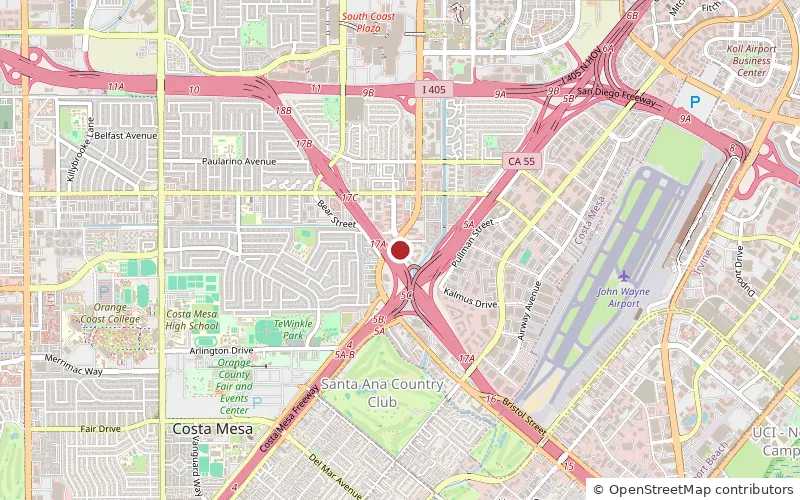
D'Amore Mental Health is located at 2900 Bristol St, Building H, Suite 201, Costa Mesa, CA 92626, in South Coast Metro near the I-405 and John Wayne Airport. Call (714) 375-1110 to reach admissions.

We serve adults from across Orange County, as well as patients traveling from elsewhere in California and other states.

Map of D'Amore Mental Health at 2900 Bristol Street, Costa Mesa, CA

If you're looking for no-cost or sliding-scale counseling, the Orange County Health Care Agency, NAMI Orange County, OC Links, and 2-1-1 can point you to community options.

Frequently Asked Questions

Does insurance cover mental health treatment at D'Amore?

How long does residential treatment last?

Is residential treatment the same as a psychiatric hospital?

Can D'Amore treat suicidal ideation or psychosis?

Do you treat co-occurring substance use?

How quickly can someone be admitted?

Can I call on behalf of a family member?

Answer
Does insurance cover mental health treatment at D'Amore?
D'Amore is in-network with major commercial carriers, and many plans cover all or part of care. After a confidential benefits check, our admissions team usually follows up the same day. Insurance verification provides a benefits estimate, not a guarantee of coverage. Final coverage depends on your specific plan, deductible, and out-of-pocket responsibility.
D'Amore diamond mark
Where Crisis Meets Compassion

You Don't Have to Figure This Out Alone

Our admissions team will help you find the right starting point, explain your benefits, and walk you through next steps. Call (714) 375-1110, verify your insurance, or start your admission.
Edited For Accuracy By
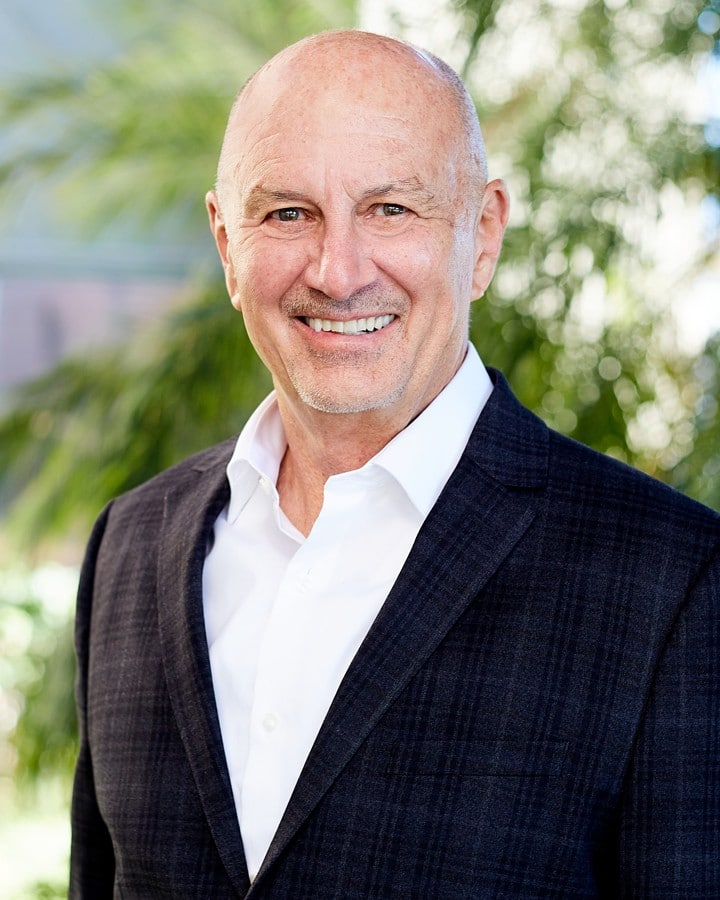
Gary Tucker, LMFT
Gary Tucker, LMFT
Clinical Director · D'Amore Mental Health
View clinical bio →

Reviewed by Gary Tucker, LMFT, for clinical accuracy. Last reviewed October 28, 2026.

CMHN® Designated Full Continuum · Orange County, CA
Medical Disclaimer

This content is for informational purposes only and is not a substitute for professional medical advice, diagnosis, or treatment. Always consult a qualified healthcare provider about your situation. If you are in crisis, call or text 988 (988 Suicide and Crisis Lifeline).

Mental Health Treatment

green-diamonds
Privacy Overview

This website uses cookies so that we can provide you with the best user experience possible. Cookie information is stored in your browser and performs functions such as recognizing you when you return to our website and helping our team to understand which sections of the website you find most interesting and useful.