
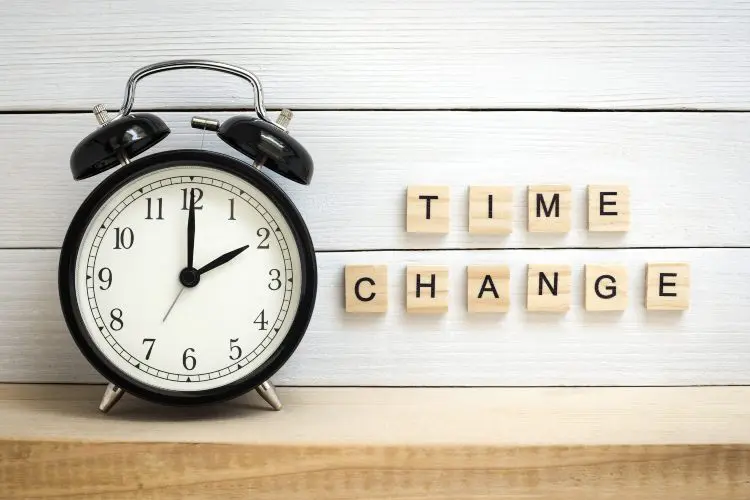
In the fall, setting the clocks back an hour feels wonderful. We get an extra hour of sleep and wake up feeling ready to conquer the day. In the spring, we lose an hour of sleep and wake up feeling like we got hit by a truck.
To some, the negative effects of daylight savings time are nothing but a nuisance. To others, daylight savings time depression is debilitating. Daylight savings time 2020 added extra stress to unprecedented circumstances.
10-20% of people suffer from depression as a direct result of the time change. Below is everything you need to know about how daylight savings time can affect depression and what you can do to prevent it from happening.
What and When Is Daylight Savings Time?
Exactly what is daylight savings time? Daylight savings time is a yearly practice of setting the clocks forward one hour beginning in March. It was created in 1966 to maximize the amount of sunlight we experience each day.
Adjusting our schedules by one hour on one day of the year might not seem like a big deal, especially when we’re asleep when it happens. However, it can result in drastically negative changes that can cause depression.
What Is Seasonal Depression?
Before we get into the negative effects of daylight savings time, it’s important to understand what seasonal depression is.
Seasonal depression, also known as seasonal affective disorder, is a mood disorder that usually occurs at a specific time of year. Symptoms include the following.
- Feeling sad or depressed
- Lack of interest in activities you previously enjoyed
- Increased appetite
- Sleeping much longer than normal
- Feeling drained of energy
- Feelings of worthlessness
- Feelings of restlessness
- Trouble concentrating or making decisions
The human body operates on a natural, internal clock better known as the circadian rhythm. Our bodies are used to a schedule of waking and sleeping that is triggered by daylight. Any alterations to this schedule can cause problems.
Circadian rhythms are closely tied to exposure to sunlight. When daylight breaks it sends a signal to the brain that it’s time to wake up. When it gets dark our bodies know it’s time to wind down for the day.
The shorter periods of sunlight we experience disrupts our bodies’ clocks. This can lead to symptoms of seasonal affective disorder.
Negative Effects of Daylight Savings Time
The negative effects of losing an hour of sleep are much more than grogginess. The link between daylight savings time and depression has been extensively documented and studied over the past few decades. A study conducted in 2017 shows that cases of depression increase by 11% as a result of daylight savings.
In addition to increased cases of depression, cases of serious medical conditions have been known to occur more often. The following are just a few examples.
The risk of heart attack increases in the first three days after the time change of daylight savings time. Increased stress and the health problems lack of sleep can cause are major contributors.
Traffic incidents increase as a direct result of lack of sleep. The more tired a person gets, the slower their reflexes become, making driving more dangerous.
The Monday after the time change, workplace injuries are much more common than on any other Monday of the year. The severity of these injuries is much higher as well.
These dark occurrences do come with light at the end of the tunnel. Daylight savings time depression does not typically last long. As the body adjusts, sleeping schedules go back to a regular schedule, and daylight hours increase, moods tend to brighten and the negative effects lessen or disappear.
Tips for Reducing Risk of Daylight Savings Time Depression
Now that we know the potential dangers of depression and daylight savings time, we need to take steps to prevent the worst from happening. Luckily, there are plenty of ways to make the transition a smoother, less stressful experience.
Adjust Your Clock Gradually
Go to sleep a few minutes earlier each night one week before daylight savings time. Your body will be naturally more prepared for the switch if it encounters a gradual change.
Go Outside During the Morning
Take a walk to boost your mood in the sunshine or simply enjoy your morning coffee outside. Exposure to light will decrease negative symptoms.
Try Light Therapy
If natural light is hard to find, a light lamp is an effective treatment for seasonal affective disorder and can be used anytime you need it.
Optimize Lighting In Your Home
Open blinds or shades in the morning to let as much light in as possible. This will help signal your brain that it’s time to fully wake up.
Practice Your Favorite Wellness Activity
Whether it’s yoga or a run outdoors, take extra time to practice the wellness activity that makes you happiest, especially in the morning when symptoms may feel the worst.
Plan Travel to Sunnier Locations
While this isn’t possible every year, booking a vacation during this time gives you something positive to look forward to, and traveling to sunnier locations helps keep the seasonal depression symptoms at bay.
Ask for Help
Many people experience depression, whether it’s seasonal or otherwise. Don’t be afraid to ask for help. Talk about your feelings with friends, family, and seek help from a trained professional.
Treatment and Medication
Antidepressants, therapy, serotonin re-uptake inhibitors (SSRIs) are all common types of treatment for seasonal depression. Symptoms of Seasonal Affective Disorder as a result of daylight savings time usually last no more than a week.
If your symptoms last longer or get more severe, consult your doctor immediately.
Do You Feel More Prepared?
Daylight savings time depression should be taken seriously even if it only lasts a few days. The negative effects of daylight savings time can add up to many serious side effects without taking the proper precautions.
We hope you feel more prepared to tackle this time of year. If you or a loved one is searching for ways to improve your mental health, schedule a confidential consultation today or call 714-266-3760 for more information on how we can help you.